
Sheep Barn Rhythms
Shoveling shit as spiritual practice and the complicated nature of repetition

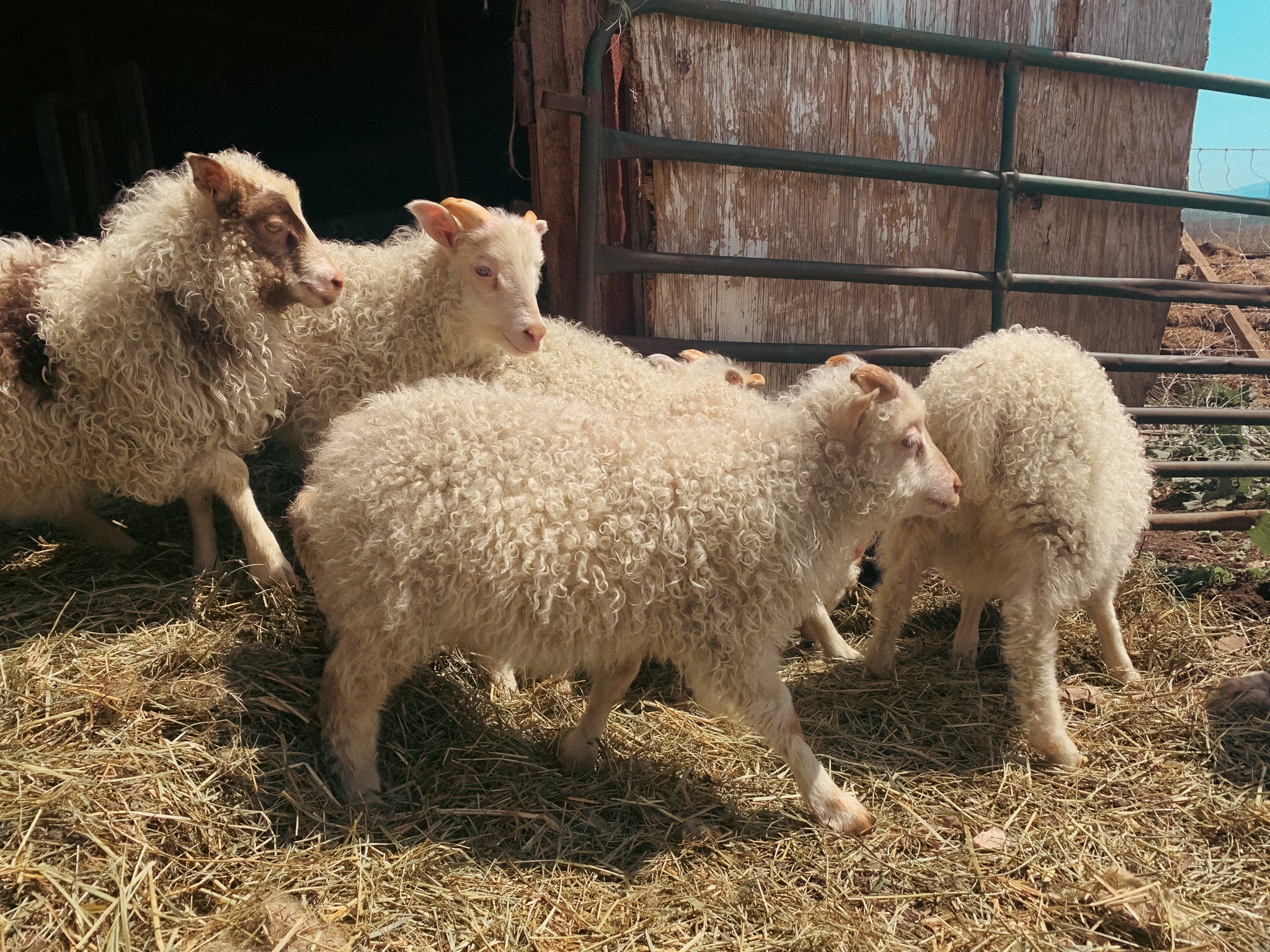
I was a professional shit shoveler (aka farm assistant) on an Italian pig and sheep farm in Vermont during the first year and half of the pandemic. The winters there were long and monotonous, clocking in at around six months - six months of layering our clothing through subzero temperatures, catching ourselves as we lost balance on icy pathways, and huddling together around the fireplace, the only source of heat for the entire farmhouse. And yet, we welcomed the beginning of winter wholeheartedly. Winter’s arrival signaled the end of pasture season and the relentless work of building electric fence paddocks for the sheep, pigs and chickens. It was a desirable recess from our daily work of navigating knee-high mud, thick New England forest, and tick-laden grasses as tall as our shoulders.
Summer was the high season, a time for building cardio strength while chasing errant pigs (deeply not herd animals) who had found escape routes through sags in the polywire fence, and wild Icelandic sheep (barely herd animals) with minds and desires of their own. Summer was about using every second of daylight, from 4:45am to 9:30pm, to complete the work that would prepare us for a successful winter. We cut, baled and stored hay with rusting farm equipment, whose engines sputtered and sometimes ruptured from overuse. We rotated animals on pasture around the sixty acres - sheep first, pigs second, chickens last, in order to munch any remaining bugs taking up residence in the piles of fecal pellets. We sheared sheep and witnessed spring lambs leap with joyous curiosity upon first leaving the barn for fresh spring grass. We stored food from the garden as long as the rabbits hadn’t devoured it first. Summer was about flexibility and adaptability, about a variety of work, and a variety of uses for the body.
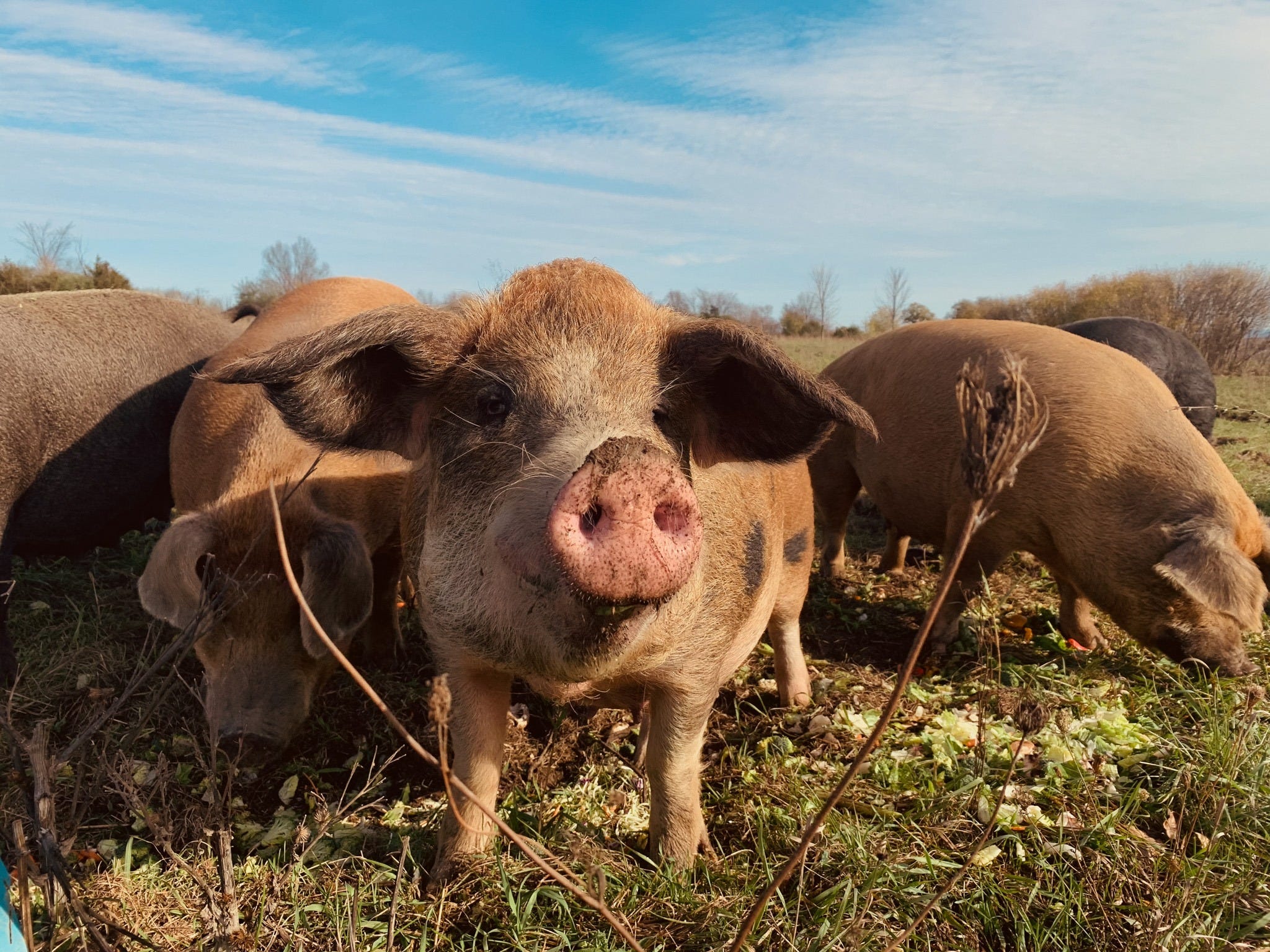
Winter officially began when the final assemblages of manure had been spread on the fields, when the ticks had found their overwintering hibernation spots with the dropping of the temperature, and when snow started to dust the ground. In November, we herded the animals inside the barn for winter and then seeded the fields and raked any uneven mounds created by pig snouts. With everyone safely tucked inside, we could finally bellow a sigh of relief. The next half year would be repetitive and gruelingly long, but it would be simple and straightforward compared to the nuance of summer.
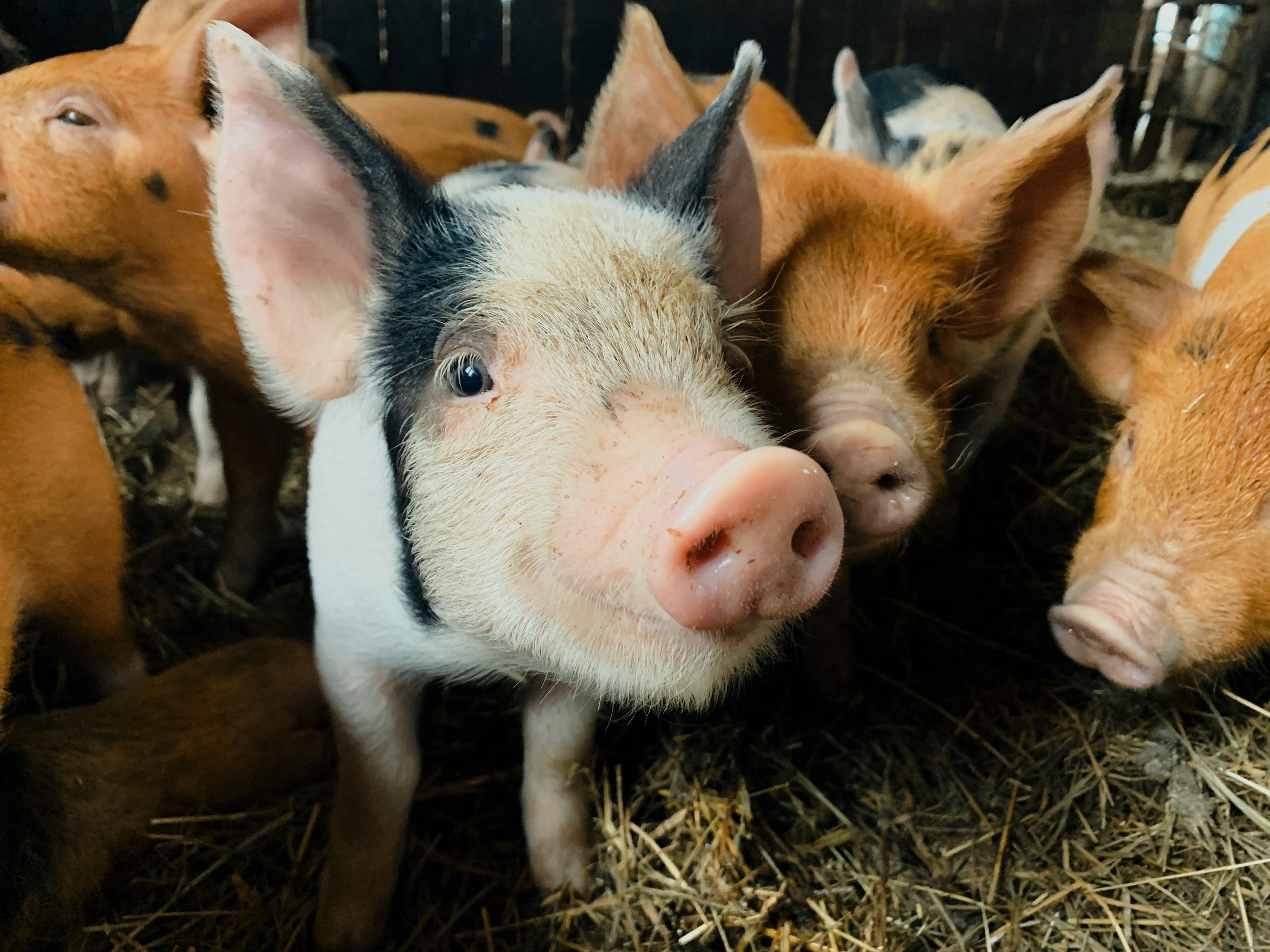
As the animals settled into their pens for the frigid winter months, I settled into the tedium of the daily work of caring for them. Work started around 8am, just a half hour after sunrise. After mindlessly donning muck boots, winter gear and a full waterproof farm jumpsuit, I trickled out to the barn, careful to maintain balance on the icy path, a narrow canyon amidst towering snow drifts. I turned the Skidsteer key a few times, always met with the violent whir of the engine struggling to start in the 0-degree morning temperatures (which I miss, much to the disbelief of my California friends). I threw open the giant, rotting wood barn doors, wafts of warm and sweet lanolin and acrid pig manure assaulting my senses. I glanced down the center aisle of the barn and absorbed the sights and sounds of animals still deep in slumber, clouds of steam surging from the congregations of pigs wrapped together for warmth and from the mouths of ruminating sheep. The 50 or so feral chickens still roosted in the rafters, capturing as much heat for the day as possible.
And then to work, shovel in hand, scooping, heaving, pushing and pulling mounds of manure from each pen into the bucket of the Skidsteer. The same motions over and over for the next two hours, no relief and no variety. Just a continual scuffing of the shovel, bending at the knees, lifting and twisting of the handle and flinging of shit into its receptacle. The trancelike rhythms that my shovel birthed as it scraped the craggy concrete floors sunk deep into my bones, a meditation. Mindless, mundane and repetitive, the work forced my muscles to engage so that my mind could rest (rare for this over-thinker and oh, so glorious). The way that these repetitive movements embedded the work into my body, similar to the imprinting of a line dance’s choreography into muscle memory, felt like the purest embodiment of fulfillment. I felt like I could shovel shit for a lifetime, over and over, with no complaints. I loved the work.
In Dark Days, Roger Reeves names repetition as a form of devotion. Repetition is an act of service, both to the self and to something larger than us. Repetition is sacred - think of how the repetition of words and phrases scaffolds our spiritual and religious practices. During my time in Vermont, shoveling shit became my spiritual practice, a daily two-hour mass that provided solace amidst the backdrop of the grief of the pandemic. It was a time for constructing my own meditative catechism as I turned my shovel over in my hands like a rosary. My shoveling routine was like a pledge and a contract with the animals in my care, a way of proving my devotion to them. Anointing their vestibules with shit removal and clean bedding was my way of showing that I cared for their health and wellbeing. Shoveling shit was a benediction, a blessing of their space made new each day.
But repetition of the work taught me as much about devotion to others as it did about devotion to myself. The romanticism of shoveling shit aside, the repetitive work, despite its spiritual properties, posed challenges to my physical body. I had sustained injuries due to repetitive stress many times before (thank u, restaurant work) but generally took my body for granted until living in Vermont, where an encounter with Lyme disease forced me to really pay attention. My symptoms surfaced as arthritis in my fingers, and the repeated gripping of a shovel handle with such fiery intensity exacerbated the pain. I woke up every morning with fingers stiff as planks, unable to close my hands or wiggle my limbs. I learned to work small rituals into my days to alleviate the ache, like running my hands under warm water to slowly encourage them to feel into the pulses of the day, to regain a memory of curvature and ease, to revive them and to prepare them for the work ahead.
Repetition - repetitive use of a body in pain - forced me to consider care of the self, to care for a vessel, to practice awareness of a body that I rarely had to think about before (SUCH an immense privilege). Repetition, like a spiritual salve, taught me how to be devoted to my physical body and its health and wellbeing. There were days when I couldn’t physically do the work and there were days when I needed the work - as a form of grounding, centering and tuning in - and I had to stay mentally flexible to accommodate my body’s changing needs. The sheep barn became my space of study, my landscape for noticing how my body felt and if it was time to ask for help. It was where I learned to both care for myself and to create a culture of support within my immediate community.
Repetition is personal and complicated. It’s tiresome and invigorating and grounding and disruptive all at once. But I know from my time in Vermont that I cannot live without the meditative spiritual practice that comes along with it, and I am forever grateful for the finer attunement to my body that repetition has provided.
Here are some things I am currently repeating that have taken the place of my morning shit shoveling practice, all in service to my hands:
stretching on my sheep hide first thing
some form of morning pages
a foggy morning walk on the trails by my house sans phone
a peasant’s breakfast of sourdough and broth (truly a balm for this delicate digestive system)
line dancing in community every tuesday evening at topa topa in ventura (104 e thompson ave), 6:30-9
*This post is dedicated to my sweet Aunt Lea, who also struggles with chronic pain and illness and who very repeatedly asks if I am still Catholic (haven’t been pretty much since birth despite being raised as such) and if not, what god / a higher power means to me. I don’t have an answer to the latter, but I am certain that the prayer and devotion that surfaced for me in shoveling shit provided connection to something larger than myself, namely inter-species relationship-building and lifelong purpose.
"The romanticism of shoveling shit aside..." haha! I too love repetition. Practice and devotion. I need to get back to morning pages...good reminder. Thank you!
Such lovely prose Diane! I really enjoyed this essay. It made me think about repetition as a server and I was also brought back to my years as a cowgirl cleaning out my horses stall day after day, and the joy that practice brought me. If there is a heaven, may it be filled with animals that need our care 🫶🏼